Welcome.
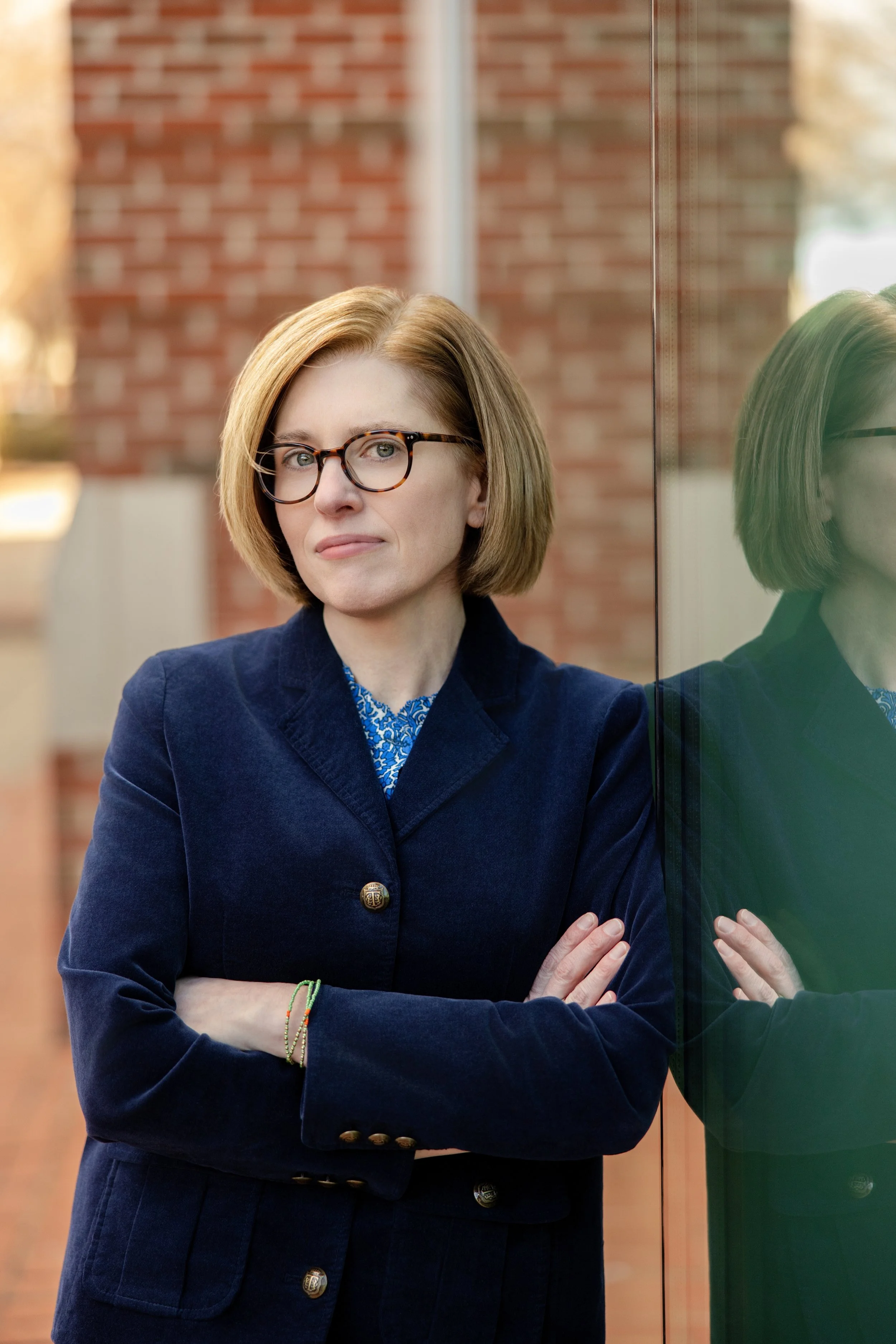
Photo credit: Jack Robert
BIO
Stacey Isom Campbell is an Alaska-raised, Southern-rooted playwright. Her plays include: THE LONGEST WALK (2026 Modern Works Festival Selection & Winner of Audience Choice Award); 1999 (upcoming Urbanite Theatre Production, WAM Theatre World Premiere, 2025 O’Neill Center National Playwrights Conference Finalist, 2025 Modern Works Festival Finalist & Selection, Carolina Playwrights Lab Selection, Florida Rep’s Festival of New Works PlayLab Selection, Seven Devils Playwrights Conference Semifinalist, Valdez Theatre Conference Play Lab Selection); THE LOOPHOLE (2019 Barter Theatre LORT-production and Susan Smith Blackburn Prize Nomination, Great Plains Theatre Conference Selection, O’Neill Semifinalist); THE CONTROLLER (2026 FutureFest Finalist, 2024 Henley Rose Playwright Competition Finalist, Seven Devils Playwriting Conference Finalist); BUFFALO CREEK (Rose Henley Playwriting Competition Finalist, The New Harmony Project Finalist, Bay Area Playwrights Festival Semifinalist; WHEN MOUNTAINS MOVE (Commission and Production, Lee University); MEMORY OF ICE (Bay Area Playwrights Festival Semifinalist, Seven Devil’s Theatre Conference Semifinalist, O’Neill Semifinalist); ON THE 8’s (Dan I Rodden Jr Award Winner, Rose Henley Playwriting Competition Finalist, Great Plains Theatre Conference Selection); SMOKIN’ DEVILS (Barter Theatre’s Appalachian Festival of Plays & Playwrights Selection, Plays for the 21st Century 2nd Place, Red Clay Theatre Production). Her short plays include: CICADAS (ATHE’s New Play Development Workshop Selection) and LAUNDRY AT THE COIN & SPIN (The Collective: NY equity-showcase approved production and publication). Her work has also been seen at the Pittsburgh New Works Festival, L.A. First Stage, EstroGenius Xtended, and others.
Stacey is a Fellow of Hambidge Center, Virginia Center for the Creative Arts, Helene Wurlitzer Foundation of New Mexico, and Trillium Arts.
ARTIST’S STATEMENT
I write about closed systems—institutions that demand total commitment and punish dissent. A coal mine. A military unit. A religious community waiting for the apocalypse. What draws me is the people inside them trying to love each other across impossible pressure, and the damage that gets called devotion. Whether it's a Massachusetts farmhouse in 1844 or Fallujah in 2006, I'm writing about the same human cost.
Perhaps I come by this honestly. We all contain many voices, identities, ancestors, but mine often feel paradoxical: I'm an Alaskan with Appalachian roots, a person of faith who makes her home in the theatre. I've spent much of my life with one foot in communities that don't always speak to or understand each other. At times, I've felt I had to hide one part of myself from another. Living in that margin is where I find the nuance in my work.
I write the kind of funny that rips your heart out. Where I come from, humor is almost as sacred as religion. The last time I saw my uncle Milton, he needed a drink so bad he held his ribs to keep from shaking. “Lord gawd, my bones are a-jangling,” he said, before telling funny stories about hiding his moonshine still from the cops, blowing himself up with dynamite, and dyeing his hair jet black because “women are fond of ol' Milton.”
I write about women—freaks like me, the walking-wounded like my sister, tough-as-a-rusted-washboard like my grandmother. I write about connection and disconnection, about the small human moments beneath the labels that divide us. These tensions shape not only what my plays are about but how they're built: time, place, and reality blur under pressure until form itself begins to carry the trauma.
Formally ambitious, historically grounded, women at the center.